IMPORTANT HEALTH INFORMATION FOR YOUR DOG
5 Things Your Dog Does, 2 Years Before Their Brain Begins To Shut Down And Dog Dementia Sets In
PLUS 2 ADVANCED WARNING SIGNS BELOW

Excessive Sleeping:
Dogs that are experiencing cognitive issues sleep less 'deeply' at night, and hence, they tend to sleep more during the day.*

Appetite:
A sudden or unexplained increase or decrease in hunger might be triggered by cognitive issues.*

Difficulty Recognizing Commands:
If your dog begins to forget familiar commands or has trouble responding to them, that may suggest poor circulation to the brain which is a direct cause of early cognitive decline.*

Increased Irritability:
Early cognitive changes could lead to heightened irritability, resulting in unexpected displays of aggression or impatience.*
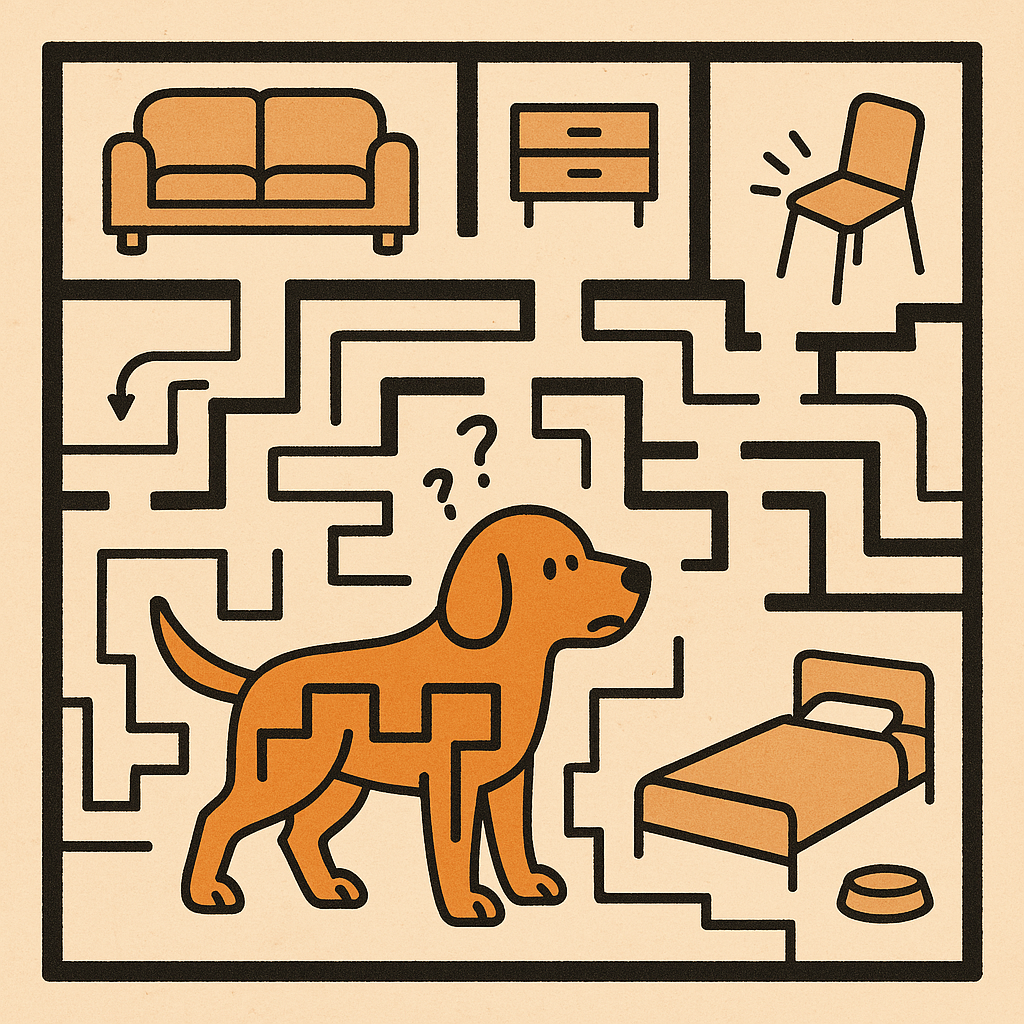
Difficulty Navigating Obstacles:
Trouble navigating around furniture or bumping into objects, especially in the early morning or nighttime, may suggest spatial awareness cognitive problems.*
ADVANCED WARNING SIGNS
These less common but critical warning signs are often missed by veterinarians and pet owners alike. Recognizing them early could be the difference between prevention and progression.
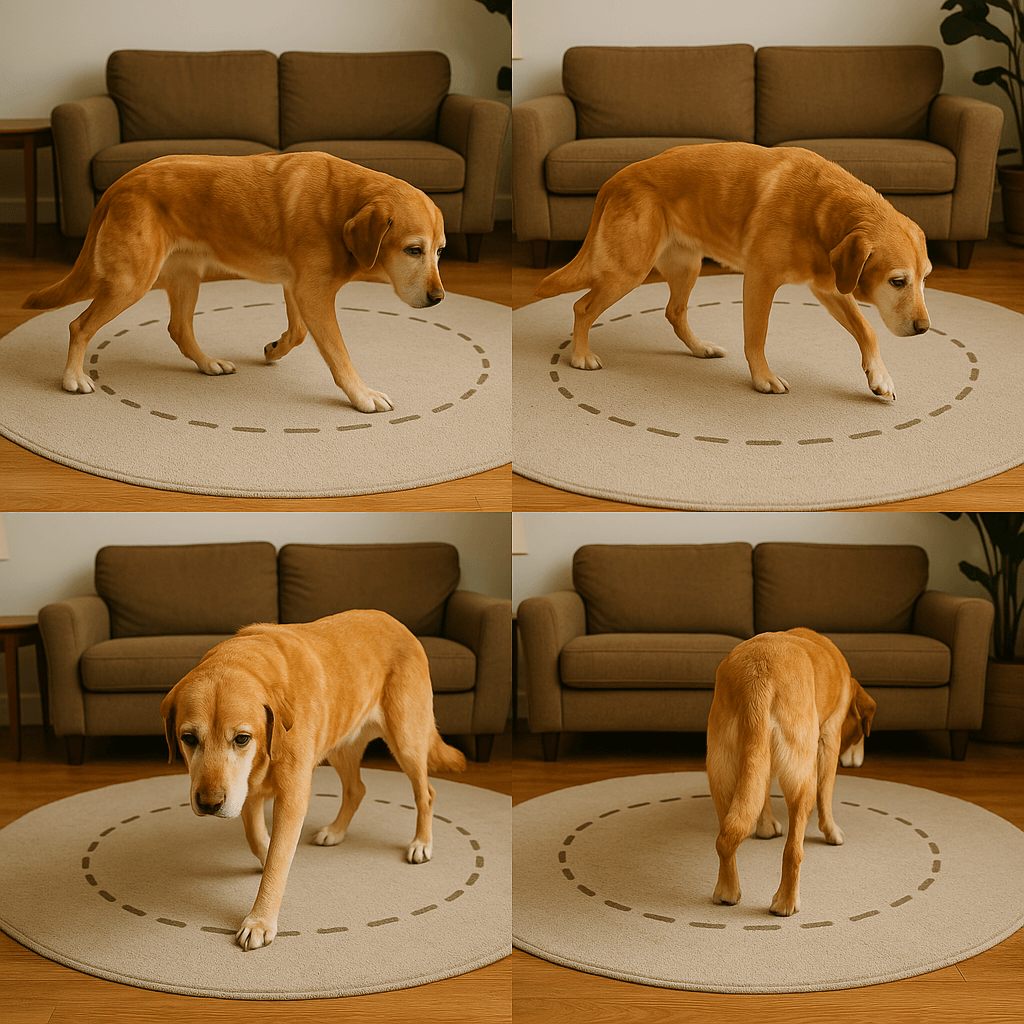
Pacing or Circling:
Restless pacing or frequent circling without an apparent reason could indicate early cognitive issues.
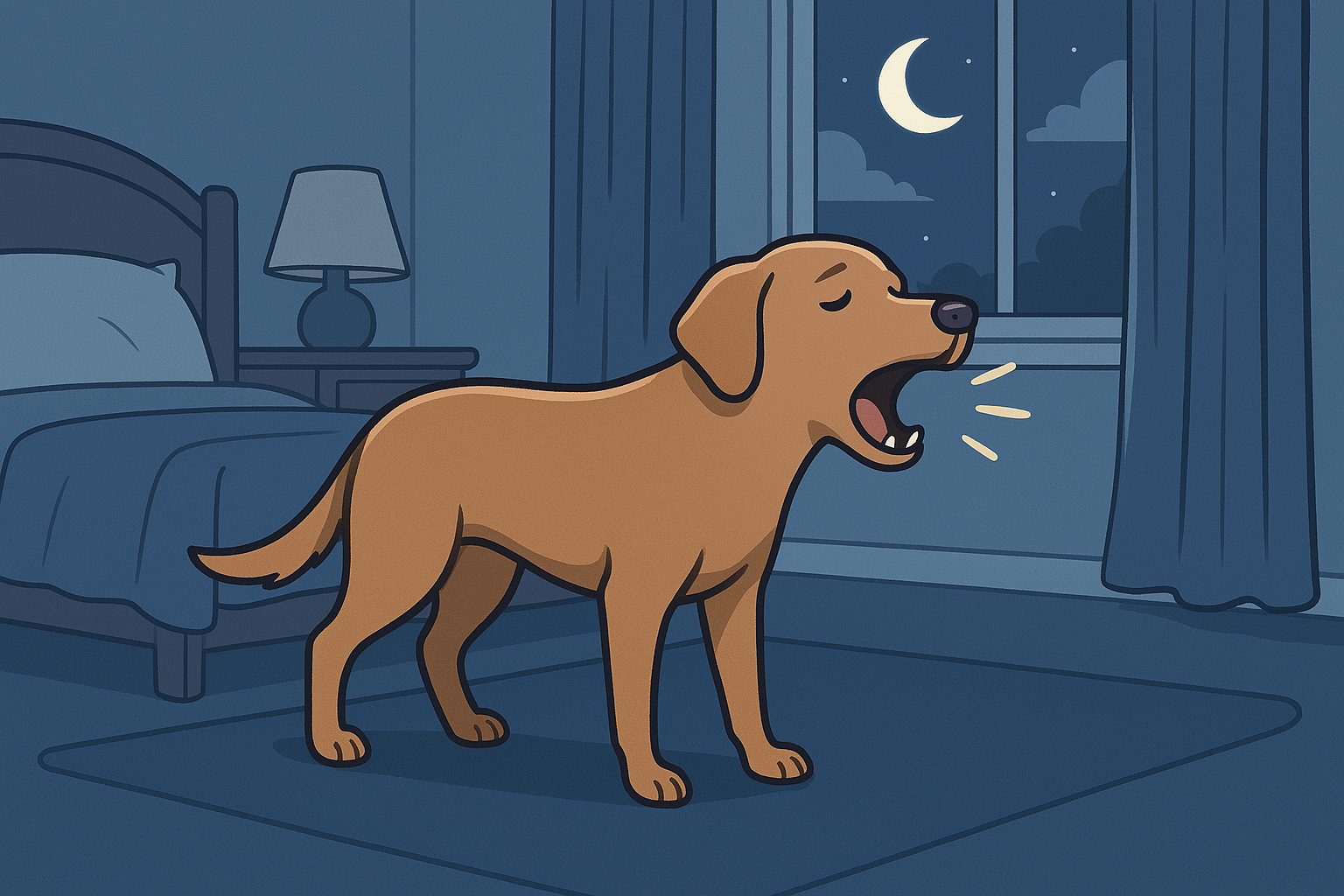
Excessive Vocalization at Night:
Unexplained whining, barking, or howling, particularly at night, can be an early sign of cognitive dysfunction.
If A Dog You Love Is Showing Signs Of Forgetfulness, Anxiety, Or Depression Then You Must Know This...
The root cause of memory loss and dog dementia isn't simply "ageing", or what the multi-billion dollar dog food industry has told you. Instead, after years of research, award-winning doctor of veterinary medicine Dr. Daisy May believes that the real secret to maintaining your dog's alertness, playfulness, and their overall happiness as they age lies in something called the "glymphatic system."